Author: Contec Professional
Tags:Healthcare EVS, Infection Prevention, Article
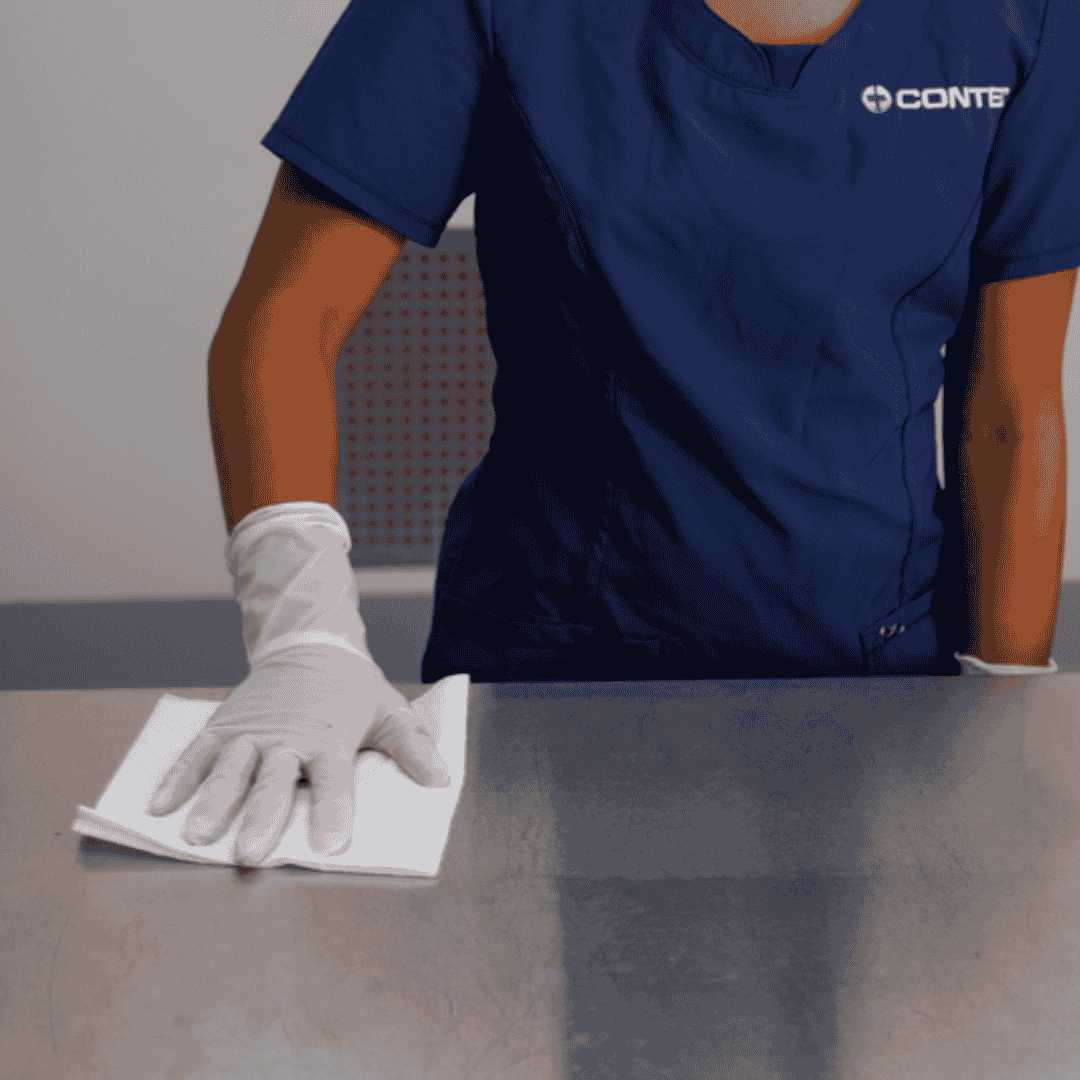
Breaking the Chain of Infection at Surface Level: Why Environmental Cleaning Matters

Learn how surface contamination spreads infection and how effective cleaning and disinfection help break the chain of infection in healthcare. 

The chain of infection explains how microorganisms spread from one host to another, leading to illness and healthcare-associated infections (HAIs). In healthcare environments, contaminated surfaces are a key link in this chain.


According to the CDC, environmental surfaces can serve as reservoirs for pathogens that contribute to infection transmission, reinforcing the importance of effective cleaning and disinfection.


Breaking the chain of infection at the surface level is one of the most practical and impactful ways to reduce infection risk and protect both patients and healthcare workers.


What Is the Chain of Infection?


The chain of infection is a widely recognized model that describes how infections spread. It includes six key links:


  1. Infectious agent
  2. Reservoir (where the pathogen lives)
  3. Portal of exit
  4. Mode of transmission
  5. Portal of entry
  6. Susceptible host

Interrupting any one of these links can stop the spread of infection. In healthcare settings, where patients may have weakened immune systems, breaking this chain is especially critical.


How Do Surfaces Contribute to Infection Spread?


Surfaces in healthcare environments frequently act as reservoirs for microorganisms. High-touch areas—such as bed rails, overbed tables, IV poles, and shared medical equipment—are touched repeatedly throughout the day.


Why This Matters:


  • Pathogens can survive on surfaces for hours to days
  • Contaminated surfaces transfer microorganisms to hands
  • Hands then transmit pathogens to patients or other surfaces

The CDC highlights high-touch surfaces as key areas for routine cleaning and disinfection here. Without effective cleaning, these surfaces become ongoing sources of contamination.


Why Is Surface-Level Intervention Critical?


Surface-level intervention reduces the bioburden (number of microorganisms) in the environment, directly impacting infection risk.


Key Benefits:


  • Limits opportunities for pathogen transmission
  • Supports hand hygiene efforts
  • Reinforces broader infection prevention strategies

Because surfaces are touched so frequently, they represent one of the most controllable—and impactful—points of intervention.


How Can Cleaning Practices Break the Chain of Infection? 


Effective environmental cleaning focuses on both removal of contaminants and proper disinfection.

Use Appropriate Cleaning Tools

Tools designed for healthcare environments improve soil and microorganism removal while reducing the risk of spreading contamination.


  • Ensure tools are validated for healthcare use
  • Minimize variability in performance
  • Align tools with infection prevention goals

Follow Consistent Cleaning Protocols

Standardization is essential for reliable outcomes.


Best practices, according to CDC disinfection guidance, include:


  • Cleaning from clean to dirty areas
  • Following proper dwell/contact times
  • Adhering to CDC and facility guidelines

Prevent Cross-Contamination

Improper tool use can transfer pathogens between rooms or surfaces.


To reduce risk:


  • Use dedicated or single-use cleaning materials where appropriate
  • Change cleaning tools between areas
  • Train staff on proper workflows

Clean Before You Disinfect

Cleaning removes organic matter that can interfere with disinfectant effectiveness. Disinfection then kills remaining microorganisms.

Strengthening Infection Prevention at the Surface Level


Breaking the chain of infection at the surface level is one of the most effective ways to reduce healthcare-associated infections. By prioritizing consistent environmental cleaning, proper disinfection practices, and the right tools, healthcare facilities can significantly reduce contamination risks.


For organizations focused on delivering safe, high-quality care, surface-level infection prevention is not optional—it is foundational. Strengthening these practices supports better outcomes for patients, staff, and the entire healthcare environment.

Key Takeaways

  • The chain of infection explains how pathogens spread in healthcare environments

  • Contaminated surfaces are a major contributor to transmission

  • Breaking the chain at the surface level reduces infection risk

  • Cleaning and disinfection work together to control contamination

  • Consistent protocols and proper tools are essential for effective outcomes