Develop Evidence-Based Cleaning Protocols
Align cleaning and disinfection procedures with CDC and regulatory guidelines, ensuring protocols are tailored for:
- Patient rooms
- Operating rooms
- High-touch surfaces
- Common areas
 Contec Professional
 Healthcare EVS, Cleaning, Infection Prevention, Article
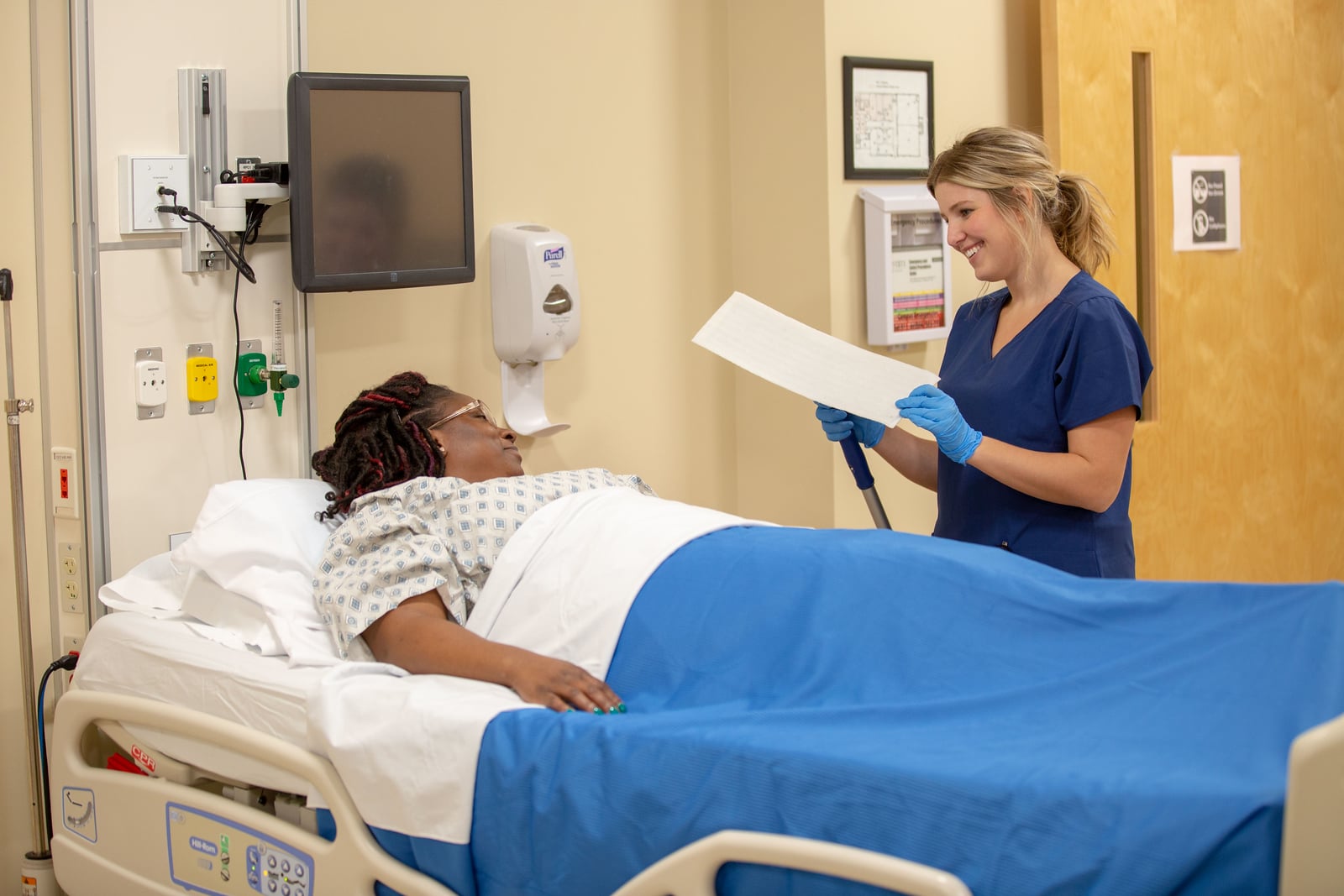
Cleanliness in healthcare facilities is far more than aesthetics—it is a foundational component of infection prevention, patient safety, and patient satisfaction.
According to the CDC, healthcare-associated infections (HAIs) affect approximately 1 in 31 hospital patients daily, underscoring the importance of effective environmental cleaning and disinfection practices.
Patients increasingly associate visible cleanliness with quality of care. When healthcare environments appear clean and well-maintained, patients are more likely to feel confident, safe, and satisfied with their experience.
Healthcare environments are high-risk settings for pathogen transmission, including bacteria, viruses, and fungi. Proper cleaning and disinfection help break the chain of infection and protect both patients and staff.
The World Health Organization emphasizes that environmental hygiene is a core component of infection prevention and control programs.
Beyond infection control, cleanliness directly impacts patient perception. Studies show that patients often evaluate cleanliness as a visible indicator of overall care quality—making it a critical driver of satisfaction scores and facility reputation.
A clean healthcare environment contributes to improved clinical and experiential outcomes in several ways:
Effective cleaning and disinfection reduce microbial contamination on surfaces, lowering infection risk.
Cleanliness reinforces a culture of safety and accountability across healthcare teams, supporting better overall outcomes.
To achieve consistent, high-level cleanliness, healthcare facilities should implement a comprehensive environmental hygiene strategy.
Align cleaning and disinfection procedures with CDC and regulatory guidelines, ensuring protocols are tailored for:
Ongoing training ensures staff understand:
Selecting effective, compliant products is critical for pathogen control. EPA-approved disinfectants ensure efficacy against a broad spectrum of microorganisms.
Facilities should implement:
These measures help maintain accountability and continuous improvement.
Modern healthcare facilities are increasingly adopting advanced tools to enhance cleaning effectiveness and efficiency:
Microfiber materials are proven to remove more soil and microorganisms than traditional cleaning tools while using less water and chemicals—supporting both performance and sustainability.
 return to overview
 back to top