Why Disinfection Matters More Than Ever in Healthcare
Disinfection plays a critical role in breaking the chain of infection—especially in acute care and long-term care settings where vulnerable populations are at higher risk.
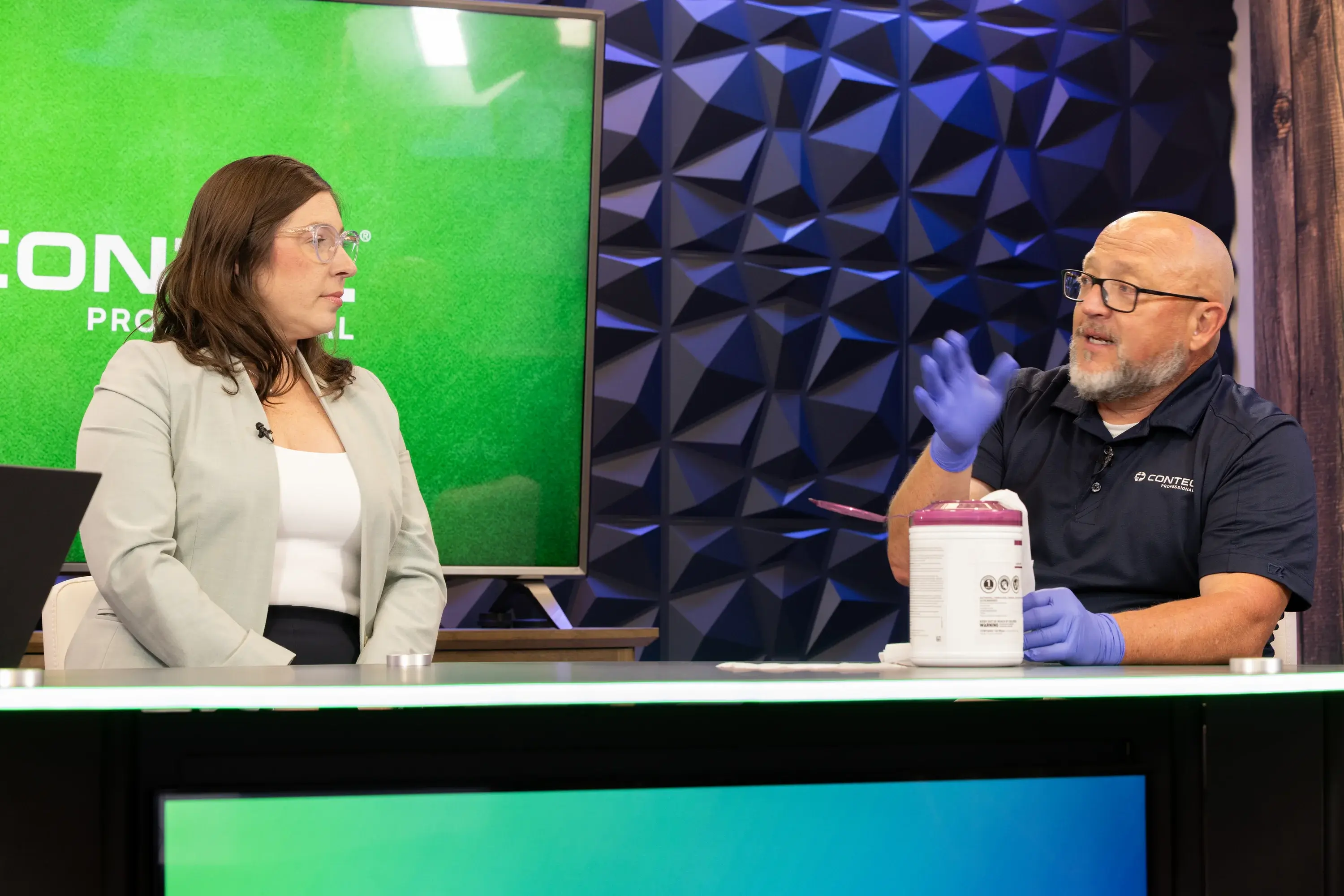
Microorganisms are invisible, but their impact is not. As highlighted in the webinar, disinfection is not just about killing microbes—it’s about ensuring consistency and confidence in processes that cannot be visually verified.
For healthcare teams, this means:
- Reducing healthcare-associated infections (HAIs)
- Preventing the spread of multidrug-resistant organisms (MDROs)
- Supporting safer patient outcomes across care transitions
Understanding Disinfectants: From EPA Regulation to Real-World Use
All disinfectants used in healthcare must be registered with the EPA, ensuring they are both effective and safe when used as directed. However, there’s an important distinction:
The EPA regulates the product—but not how it’s used in your facility.
This creates a critical responsibility for EVS and infection prevention teams to:
- Ensure proper dilution of concentrates
- Follow labeled contact (dwell) times
- Maintain consistent application methods
Key Insight
Disinfection effectiveness is driven by two variables:
- Concentration of the active ingredient
- Wet contact time on the surface
Balancing these factors is essential to achieving compliance and efficacy.
Common Gaps in Disinfection Processes
Even with EPA-approved products, real-world application can introduce variability. The webinar highlights several common challenges:
Improper Dilution
Automated dispensing systems are widely used—but studies show significant inconsistencies:
- Over-dilution can reduce efficacy
- Under-dilution can create safety risks and residue buildup
Lack of Verification
Without routine checks, teams may not know if disinfectants are being prepared correctly.
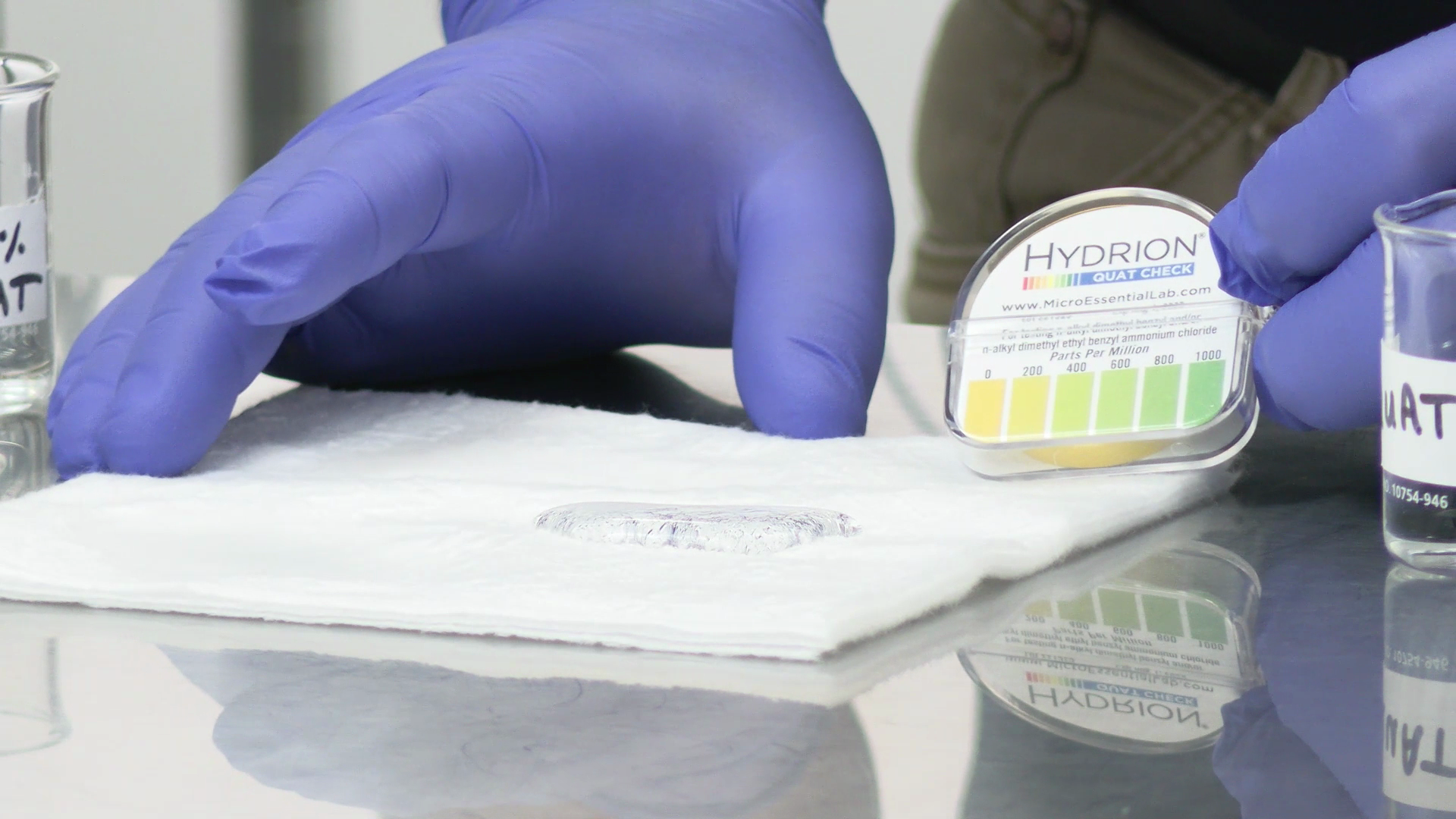
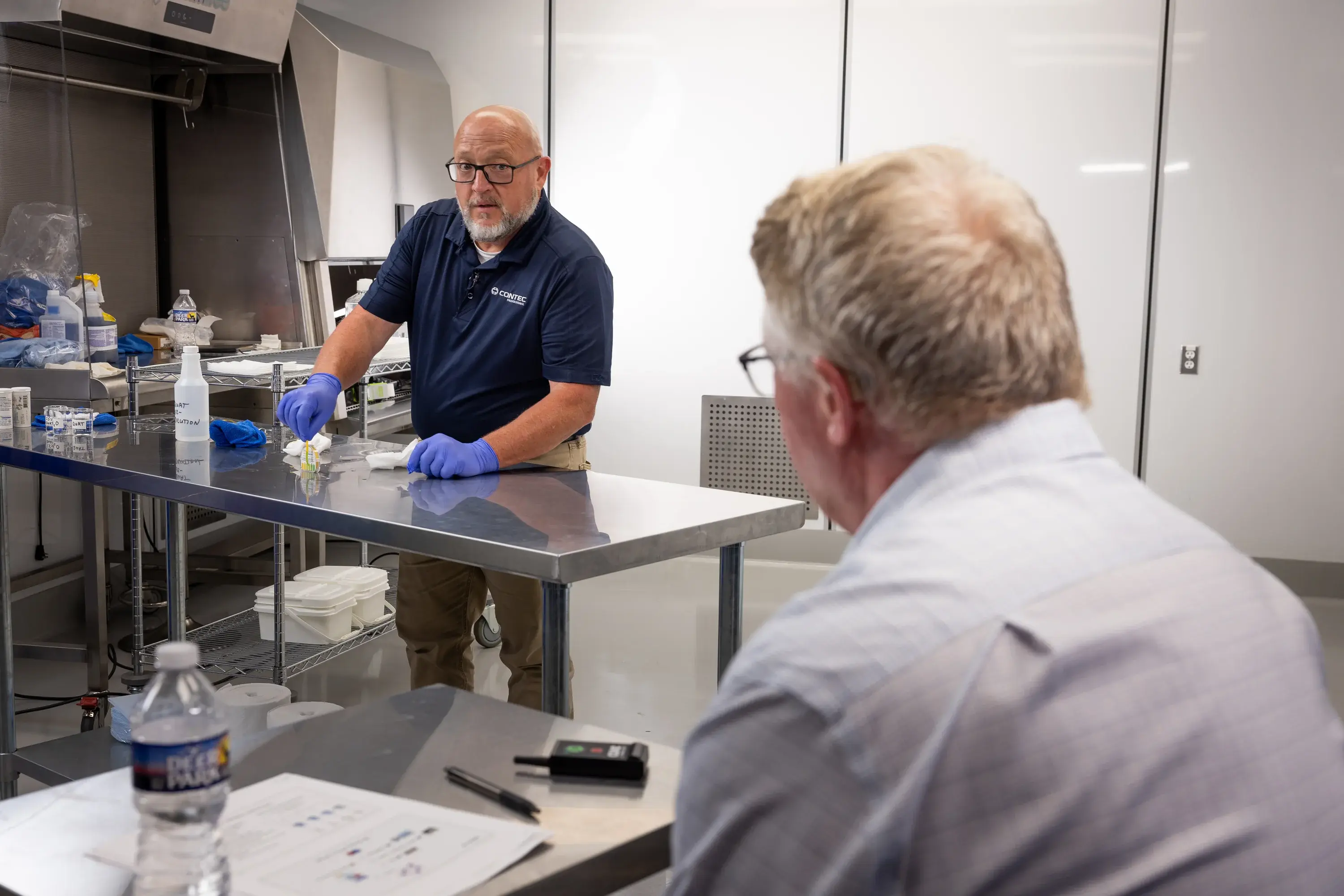
Solution: Use test strips and visual indicators to confirm active ingredient levels.
Tool Compatibility Issues
Not all wipes and mops are compatible with disinfectants. Some materials can bind or neutralize active ingredients, reducing effectiveness.
Inconsistent Processes
Variations in cleaning techniques between staff members can lead to gaps in microbiological control.
The Role of EVS and Infection Prevention Collaboration
One of the strongest themes from the webinar is the importance of collaboration.
Disinfection is not owned by a single department—it’s a shared responsibility between:
- Environmental Services (EVS)
- Infection Prevention (IP) teams
- Clinical staff
Why Collaboration Matters
- Ensures the right disinfectant is paired with the right application method
- Aligns cleaning protocols with patient care workflows
- Balances dwell times with operational demands (e.g., room turnover)
Bottom line: Strong partnerships lead to stronger infection prevention outcomes.
Disinfection Best Practices for Healthcare Facilities
Standardize Protocols
Develop detailed, repeatable cleaning procedures that specify:
- Tools and materials
- Disinfectant type and dilution
- Application method and sequence
Train and Educate Staff
Ensure all team members understand:
- Proper dilution and use of disinfectants
- Importance of dwell times
- Correct use of wipes and applicators
Verify and Monitor
- Use test strips to confirm disinfectant concentration
- Perform routine checks on dispensing systems
- Encourage staff to report inconsistencies
Choose Compatible Tools
Select wipes and mops designed to work with your disinfectants to avoid:
- Active ingredient loss
- Ineffective surface coverage
Maintain Wet Contact Time
“If the surface isn’t wet, the disinfectant isn’t working.”
Ensuring surfaces remain visibly wet for the required time is critical to achieving proper microbial kill.
Addressing MDROs and High-Risk Environments
Multidrug-resistant organisms (MDROs) remain a major concern in healthcare settings. Effective disinfection strategies must consider:
- Higher-risk patient populations
- Increased contamination potential in long-term care
- The need for consistent, thorough cleaning practices
Both product selection and process execution are essential to controlling MDRO spread.
The Hidden Factor: Tools, Textiles, and Chemistry Interaction
One of the most overlooked aspects of disinfection is how cleaning tools interact with disinfectants.
Certain materials—especially some laundered textiles—can:
- Bind active ingredients (like quaternary ammonium compounds)
- Reduce disinfectant effectiveness over time
- Introduce variability into cleaning outcomes
This reinforces the importance of:
- Using validated cleaning materials
- Monitoring performance at the point of use
Building Confidence in Your Disinfection Program
At its core, effective disinfection is about confidence:
- Confidence that your products are working
- Confidence that your processes are consistent
- Confidence that your team is trained and aligned
Achieving this requires a combination of:
- Science-backed solutions
- Ongoing education
- Strong cross-functional collaboration
Looking to strengthen your disinfection protocols?
Contec Professional partners with healthcare facilities to deliver contamination control solutions, training resources, and technical expertise that support EVS and infection prevention teams.
Connect with our team to learn how we can support your facility’s infection prevention goals.
 Contec Professional
 Healthcare EVS, Webinar




 return to overview
 back to top