Control Moisture at the Source
The most critical step in mold prevention is eliminating moisture.
Best practices in eliminating moisture:
- Repair leaks immediately
- Maintain HVAC systems
- Monitor humidity levels
- Improve airflow and ventilation
 Contec Professional
 Restoration and Remediation, Cleaning, Article
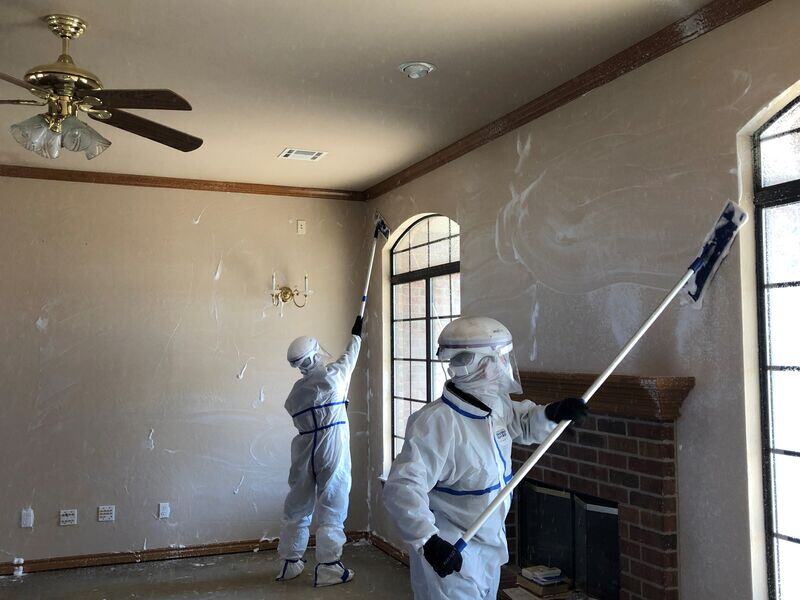
Mold and mildew are more than cosmetic issues—they are indicators of moisture problems that can compromise indoor air quality, occupant health, and building integrity.
According to the CDC, mold can grow within 24–48 hours in damp conditions, making rapid response and prevention critical.
For healthcare, cleanroom, and controlled environments, unmanaged mold contamination can introduce serious risks, reinforcing the need for proactive moisture control and effective cleaning strategies.
While some molds are beneficial in controlled applications (e.g., pharmaceuticals), indoor mold growth is generally undesirable and requires remediation.
Mold and mildew thrive in environments where moisture, organic material, and limited airflow are present.
The EPA recommends maintaining indoor humidity between 30–50% to prevent mold growth.
Exposure to mold can impact indoor air quality and lead to health concerns, particularly for sensitive populations.
The CDC and National Institute for Occupational Safety and Health (NIOSH) confirm that individuals with asthma, allergies, or weakened immune systems are at higher risk
Certain molds, such as Stachybotrys chartarum, are often referred to as “black mold.” While not all exposures cause severe illness, prolonged exposure may contribute to health symptoms in some individuals.
Beyond health risks, mold and moisture can significantly damage building materials over time.
According to the EPA, mold can progressively destroy the materials it grows on if left untreated.
Unchecked growth can spread behind walls and under surfaces, increasing remediation complexity and cost.
As healthcare facilities aim to reduce variability and improve consistency, many are evaluating single-use microfiber systems.
This approach aligns with a growing emphasis on standardization and repeatability in infection prevention practices.
Preventing mold requires a proactive, systems-based approach focused on moisture control and effective cleaning.
The most critical step in mold prevention is eliminating moisture.
Mold can begin developing within 24–48 hours, so rapid response is essential.
Cleaning plays a critical role in removing mold contamination and preventing spread.
During cleaning, spores can spread to unaffected areas.
Mold and mildew are clear indicators of underlying moisture issues that can impact both facility integrity and occupant health.
By prioritizing moisture control, responding quickly to water events, and implementing effective cleaning and remediation strategies, facilities can reduce contamination risks and maintain safer indoor environments.
For organizations managing controlled environments, healthcare spaces, or critical cleaning programs, consistency, prevention, and proper tool selection are essential to long-term success.
 return to overview
 back to top