Author: Contec Professional
Tags:Healthcare EVS, Infection Prevention, Article
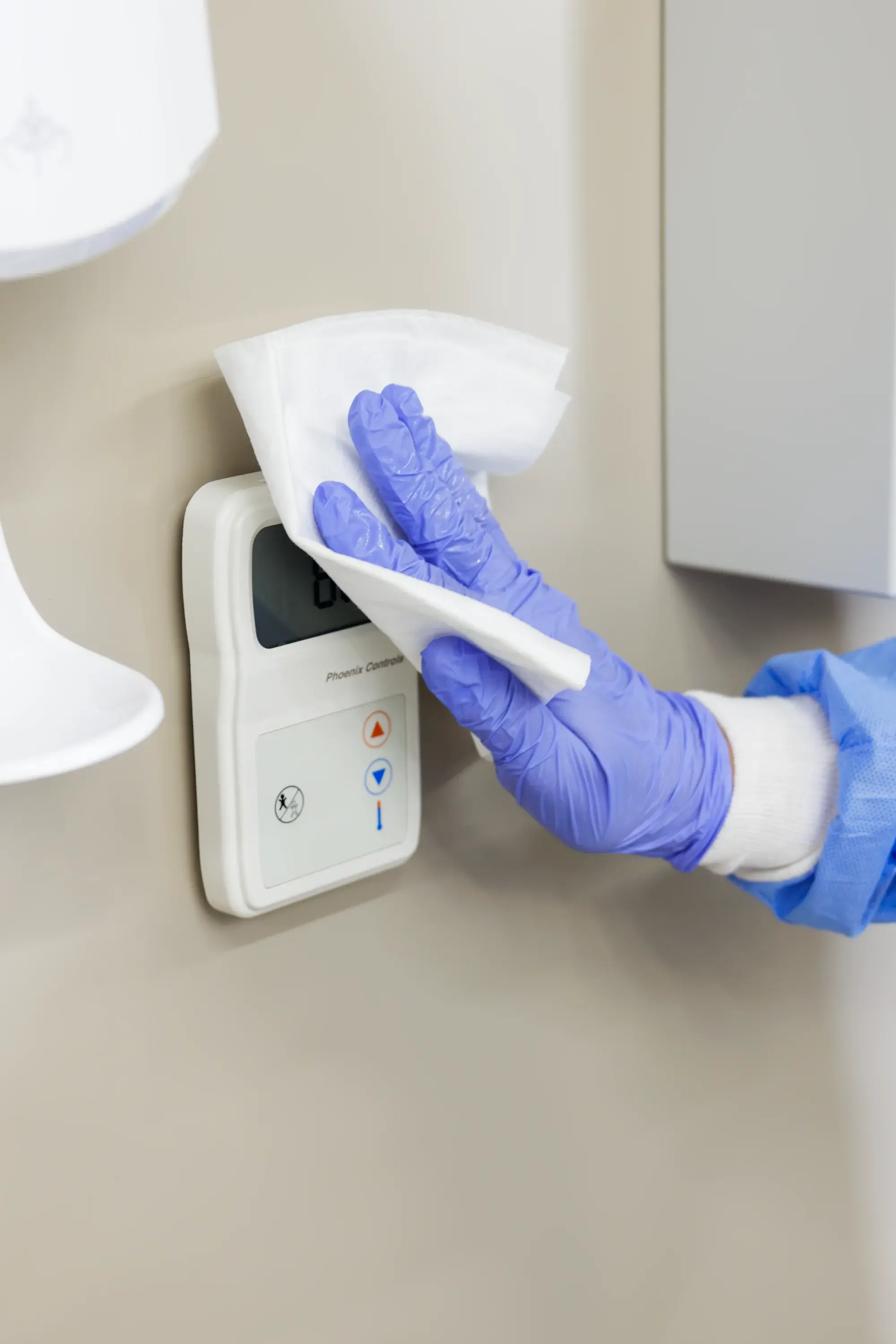
What Are Healthcare-Associated Infections (HAIs) and Why Should You Be Concerned?

 Learn what HAIs are, why they pose serious risks, and how infection prevention and cleaning practices help reduce healthcare infection rates.  


Why HAIs Remain a Critical Healthcare Challenge


Healthcare-associated infections (HAIs) are infections patients acquire while receiving treatment in a healthcare setting. While many are preventable, they remain a significant challenge impacting patient safety, operational efficiency, and healthcare costs.


According to the CDC, 1 in 31 hospital patients has at least one HAI on any given day, highlighting the ongoing need for effective infection prevention strategies.


Understanding what HAIs are—and how to prevent them—is essential for healthcare facilities focused on improving outcomes and maintaining safe environments.


What Are Healthcare-Associated Infections (HAIs)?


HAIs are infections that develop during medical care and were not present or incubating at the time of admission. These infections can occur across healthcare settings, including:


  • Hospitals
  • Long-term care facilities
  • Outpatient clinics
  • Surgical centers


They are often associated with medical procedures, invasive devices, or exposure to contaminated surfaces.


Common Types of HAIs


The most frequently reported HAIs include:


  • Catheter-Associated Urinary Tract Infections (CAUTI)
  • Central Line-Associated Bloodstream Infections (CLABSI)
  • Surgical Site Infections (SSI)
  • Ventilator-Associated Events (VAE)


Why Are HAIs a Serious Concern in Healthcare?


HAIs pose significant risks to both patients and healthcare systems.


Impact on Patient Outcomes


  • Increased morbidity and mortality
  • Longer hospital stays
  • Additional treatments and complications


Financial and Operational Burden


HAIs contribute billions in excess healthcare costs annually. Preventable infections strain resources and reduce care efficiency.


Common Pathogens Associated with HAIs

Healthcare environments can harbor a wide range of pathogens.

 Fungi


 These microorganisms are often persistent and can survive on surfaces, making environmental cleaning a critical defense.


What Causes HAIs to Occur?


HAIs occur when pathogens enter the body, multiply, and overwhelm the immune system. Several contributing factors increase risk:


  • Contaminated high-touch surfaces
  • Improper cleaning and disinfection
  • Inadequate hand hygiene
  • Use of invasive medical devices
  • Immunocompromised patients


Types of Infectious Agents


Understanding pathogen categories helps guide prevention strategies:


  • Bacteria (e.g., TB, UTIs)
  • Viruses (e.g., flu, measles)
  • Fungi (e.g., thrush)
  • Protozoa (e.g., malaria)
  • Helminths (parasitic worms)


Learn more about infectious diseases and how they spread through this resource from the Mayo Clinic.


How Can Infection Prevention Help Reduce HAIs?


Reducing HAIs requires a multi-layered approach grounded in proven infection prevention practices.


Break the Chain of Infection


The chain of infection model identifies six points where transmission can be stopped:


  1. Infectious agent
  2. Reservoir
  3. Portal of exit
  4. Mode of transmission
  5. Portal of entry
  6. Susceptible host


Interrupting any link helps prevent infection spread.

Key Infection Prevention Strategies 

Hand Hygiene

Proper hand hygiene remains the single most effective way to prevent infection transmission. According to WHO guidelines, hand hygiene is one of the most effective ways to preventing HAIs in the acute care setting. 

Environmental Cleaning and Disinfection

Contaminated surfaces act as reservoirs for pathogens. According to the CDC Disinfection and Sterilization Guidelines, effective cleaning:


  • Removes organic matter
  • Reduces microbial load
  • Prevents cross-contamination

Proper Use of PPE

Personal protective equipment helps reduce exposure risk for both staff and patients.

Sterilization of Medical Equipment

Ensures invasive tools do not introduce pathogens into the body.

Staff Training and Protocol Adherence

Consistency is critical—well-trained teams following standardized protocols achieve better outcomes.

Best Practices to Prevent HAIs

The CDC outlines a core set of foundational infection prevention practices that apply across all healthcare settings and are considered standard of care.


  • - Healthcare leadership must prioritize infection prevention.
  • - Train all healthcare personnel (HCP) on infection prevention practices.
  • - Screen and manage illnesses in healthcare workers.
  • - Perform hand hygiene at key moments (before/after patient contact, after exposure).
  • - Use PPE (gloves, gowns, masks) when needed
  • - Add extra precautions for known/suspected infections
  • - Clean and disinfect surfaces, equipment, and patient areas.
  • - Use aseptic technique for injections.
  • - Follow best practices for catheters, central lines and ventilators
  • - Conduct surveillance of infections.
  • - Use antibiotics appropriately.
  • - Communicate infection risks during patient transfers and handoffs between teams/facilities.

Strengthening Infection Prevention to Reduce HAIs 


Healthcare-associated infections remain a serious challenge, but they are not inevitable. By prioritizing consistent cleaning, evidence-based infection prevention practices, and staff education, healthcare facilities can significantly reduce risk.


For organizations committed to improving patient safety and operational efficiency, focusing on environmental hygiene and proven protocols is essential. Partnering with experts who understand both the science and application of infection prevention can help ensure consistent, high-quality outcomes.

Key Takeaways

  • HAIs are common but largely preventable infections acquired during care
  • They significantly impact patient outcomes, safety, and healthcare costs
  • Contaminated surfaces and equipment are major contributors
  • Effective cleaning and infection prevention practices reduce risk
  • Consistency and adherence to protocols are essential